Rules, briefly
How it plays
The short version of the rules. The player manual inside the game has the minutiae.
Your opening position
Each power starts with a small stockpile, a level 1 lab, and four formations at its capital. Every holding begins next to at least one empty territory that a garrison can take on the first turn. New Zealand is the exception, being one island.
Filing orders
Orders are simultaneous. Each formation can take one order: march, attack, scout, dig in, muster, or, for aircraft, patrol. Only ground formations dig in.
Through turn 9 you can file up to seven orders. On turn 10 that goes up to eight, then one more every eight turns after. You'll hear about each increase in the returns for the turn before it.
Filing spends one turn credit. You can amend your orders for free until the turn closes.
What you can see
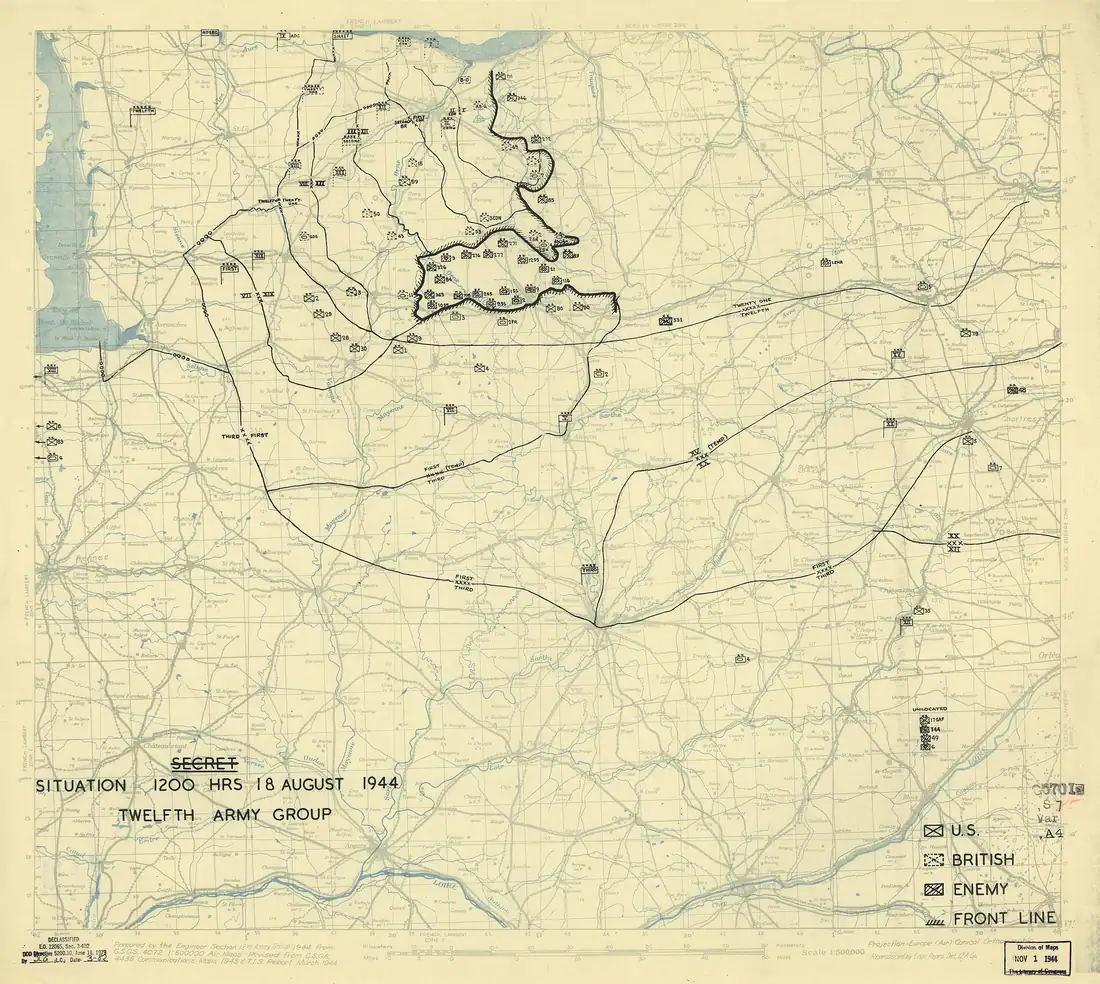
Who holds each region is public, and the political map is redrawn at the end of every turn. Forces are not public.
You know your own regions in full. For every region that touches your land you get a contact report, which is a strength band, not an order of battle. To learn what's actually there, send scout wings or fast ground units.
Seas
Ships that move into an empty sea zone take control of it. Sea zones produce nothing on their own.
Fighting alongside an ally
When allies take a region together, it goes to whichever ally has the most surviving strength among the units that fought.
Labs and designs
Every unit comes from a catalog of designs rated from power 1 (Second World War) to power 10 (near future). Fighters, strike aircraft, bombers and helicopters each have a design at every lab level. Infantry gets a new line at least every other level.
Staff officers
Seats without a human player are run by the house. Its staff officers pick an objective they can actually pursue, such as a breadbasket, oil, an arsenal, laboratories or plain conquest, and stick with it unless their capital falls or the ground army can no longer support the plan.
When a turn closes
If you're the last player to enter orders, the turn closes as soon as you file. If other players still need to file, it waits for every human to do so, or for the order deadline to hit.